Welcome to the future of cloud computing—where servers are invisible, scaling is automatic, and innovation accelerates. Serverless Computing is transforming how developers build and deploy applications, eliminating infrastructure management once and for all.
What Is Serverless Computing?
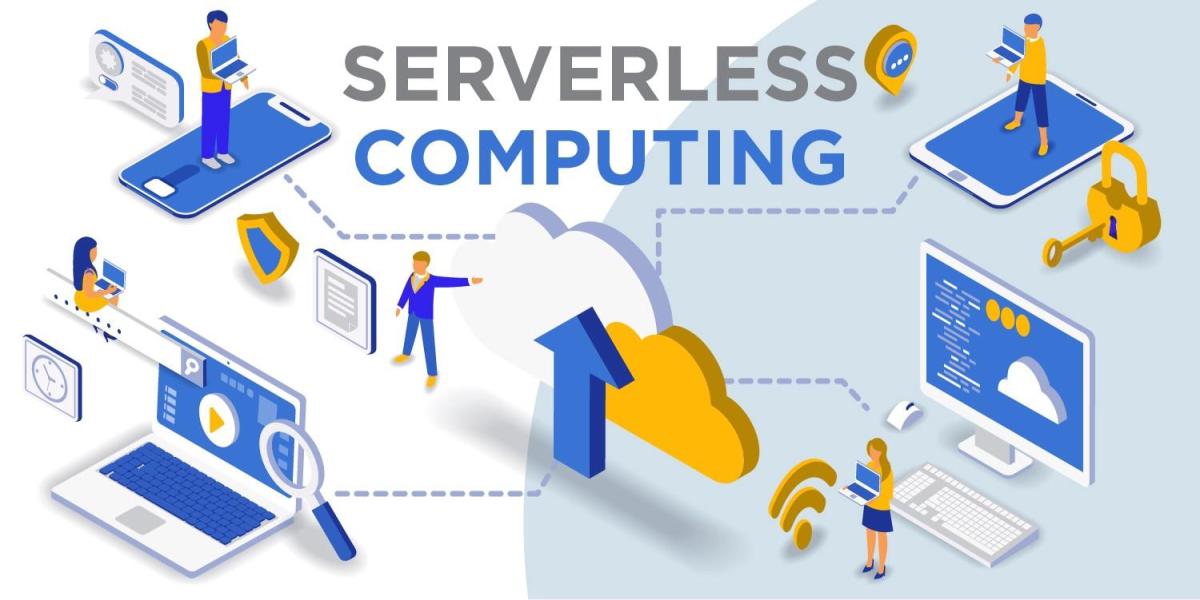
Despite its name, Serverless Computing doesn’t mean there are no servers involved. Instead, it refers to a cloud computing execution model where cloud providers dynamically manage the allocation and provisioning of servers. Developers upload their code, and the cloud provider runs it in response to events, automatically scaling it as needed.



No Server Management Required
In traditional architectures, developers and DevOps teams spend significant time configuring, maintaining, and monitoring servers. With Serverless Computing, the cloud provider—such as AWS, Google Cloud, or Microsoft Azure—handles all of this behind the scenes.
- Developers focus solely on writing code.
- No need to patch operating systems or manage virtual machines.
- Automatic server provisioning and de-provisioning based on demand.
“Serverless means you no longer have to think about servers. You just deploy your code and it runs.” — Chris Munns, Developer Advocate at AWS
Event-Driven Execution Model
Serverless functions are typically triggered by events. These can include HTTP requests, file uploads to cloud storage, database changes, or messages from a queue.
- Functions execute only when needed, reducing idle time.
- Perfect for microservices, real-time data processing, and backend logic for mobile apps.
- Supports asynchronous workflows through event queues like Amazon SQS or Google Pub/Sub.
For example, when a user uploads a photo to an app, a serverless function can automatically resize the image, apply filters, and store it in a database—all without any manual intervention.
How Serverless Computing Works Under the Hood
Understanding the internal mechanics of Serverless Computing helps demystify its efficiency and scalability. At its core, it relies on Function-as-a-Service (FaaS) platforms, containerization, and event-driven architectures.
Function-as-a-Service (FaaS) Explained
FaaS is the backbone of Serverless Computing. It allows developers to deploy individual functions—small, single-purpose pieces of code—that run in isolated environments.
- Popular FaaS platforms include AWS Lambda, Google Cloud Functions, and Azure Functions.
- Functions are stateless and ephemeral, lasting only for the duration of the request.
- Each function invocation is independent, ensuring fault isolation.
When a function is invoked, the provider spins up a container to execute it. Once the task is complete, the container is destroyed, freeing up resources.
Containerization and Cold Starts
Under the hood, serverless functions often run inside lightweight containers. While this enables rapid scaling, it introduces a phenomenon known as “cold starts.” A cold start occurs when a function is invoked after a period of inactivity, requiring the platform to initialize a new container.
- Cold starts can add latency (typically 100ms to over a second).
- Providers use techniques like container reuse and provisioned concurrency to mitigate this.
- Architectural patterns like keeping functions warm can reduce cold start impact.
For latency-sensitive applications, developers can use provisioned concurrency (e.g., in AWS Lambda) to keep functions initialized and ready to respond instantly.
Key Benefits of Serverless Computing
Serverless Computing offers a compelling set of advantages that make it a go-to choice for modern application development. From cost efficiency to rapid deployment, the benefits are transformative.
Cost Efficiency and Pay-Per-Use Pricing
One of the most attractive features of Serverless Computing is its pricing model. You only pay for the compute time your code actually consumes.
- No charges when your function isn’t running.
- Billed in increments as small as 100 milliseconds.
- Eliminates the cost of idle servers in traditional setups.
For example, AWS Lambda charges based on the number of requests and the duration of execution. This granular billing makes it ideal for applications with variable or unpredictable traffic.
Automatic Scaling and High Availability
Serverless platforms automatically scale functions in response to incoming traffic. Whether you have 10 requests per day or 10 million, the system handles it seamlessly.
- No need to configure load balancers or auto-scaling groups.
- Each function invocation runs in isolation, enabling massive parallelism.
- Built-in redundancy across availability zones ensures high availability.
This makes Serverless Computing ideal for handling traffic spikes during product launches, flash sales, or viral content.
Faster Time to Market
By removing infrastructure concerns, Serverless Computing allows development teams to focus on writing business logic. This accelerates the development lifecycle.
- Reduced deployment complexity.
- Smaller codebases are easier to test and maintain.
- CI/CD pipelines can deploy functions independently.
Teams can iterate quickly, releasing new features in days instead of weeks. This agility is a game-changer for startups and enterprises alike.
Common Use Cases for Serverless Computing
Serverless Computing isn’t just a buzzword—it’s being used in real-world applications across industries. From web backends to data processing, its versatility is unmatched.
Web and Mobile Backends
Serverless functions are perfect for powering APIs that serve web and mobile applications. They can handle user authentication, data retrieval, and form submissions without the need for a dedicated backend server.
- APIs built with AWS Lambda and API Gateway can serve millions of users.
- Integration with databases like DynamoDB or Firestore enables real-time data access.
- Authentication via AWS Cognito or Firebase Authentication is seamless.
For example, a mobile app can trigger a serverless function to process a user’s login request, validate credentials, and return a secure token—all in under a second.
Real-Time File and Data Processing
When files are uploaded to cloud storage, serverless functions can automatically process them. This is ideal for image resizing, video transcoding, or data validation.
- Trigger functions on file upload to S3, Google Cloud Storage, or Azure Blob Storage.
- Process logs, CSV files, or JSON data in real time.
- Integrate with data lakes or analytics platforms like Amazon Kinesis or Google BigQuery.
A photo-sharing app can use a serverless function to generate thumbnails whenever a user uploads an image, ensuring fast loading times across devices.
IoT and Event-Driven Workflows
Internet of Things (IoT) devices generate vast amounts of data that need immediate processing. Serverless Computing enables real-time analysis and response.
- Process sensor data from smart devices.
- Trigger alerts or actions based on thresholds (e.g., temperature spikes).
- Integrate with MQTT brokers like AWS IoT Core.
For instance, a smart home system can use serverless functions to analyze motion sensor data and turn on lights only when someone is present, improving energy efficiency.
Challenges and Limitations of Serverless Computing
While Serverless Computing offers many advantages, it’s not a one-size-fits-all solution. Understanding its limitations is crucial for making informed architectural decisions.
Vendor Lock-In and Portability Issues
Serverless platforms are tightly integrated with their cloud providers’ ecosystems. This can make it difficult to migrate functions between providers.
- AWS Lambda functions rely on AWS-specific services like S3, DynamoDB, and CloudWatch.
- Code written for Azure Functions may not run on Google Cloud Functions without modification.
- Lack of standardization across platforms increases migration complexity.
To mitigate this, developers can use frameworks like the Serverless Framework or AWS SAM to improve portability and manage deployments across clouds.
Debugging and Monitoring Complexity
Debugging serverless applications can be challenging due to their distributed and ephemeral nature. Traditional debugging tools may not work as expected.
- Logs are scattered across services like CloudWatch, Stackdriver, or Application Insights.
- Functions disappear after execution, making real-time debugging difficult.
- End-to-end tracing requires distributed tracing tools like AWS X-Ray or OpenTelemetry.
Best practices include structured logging, centralized monitoring with tools like Datadog or New Relic, and using observability platforms designed for serverless environments.
Performance and Cold Start Latency
As mentioned earlier, cold starts can introduce latency, which may be unacceptable for real-time applications like gaming or financial trading.
- Functions written in interpreted languages (e.g., Python, Node.js) tend to have faster cold starts than compiled ones (e.g., Java, .NET).
- Memory allocation affects startup time—higher memory usually means faster initialization.
- Provisioned concurrency can keep functions warm but increases cost.
Architects must balance performance needs with cost considerations when designing serverless systems.
Serverless Computing vs. Traditional Architectures
To fully appreciate the impact of Serverless Computing, it’s helpful to compare it with traditional server-based models like virtual machines (VMs) and containers.
Serverless vs. Virtual Machines
Traditional applications often run on VMs, which require manual setup, scaling, and maintenance.
- VMs run 24/7, incurring costs even during idle periods.
- Scaling requires manual configuration or auto-scaling policies.
- Security patches and OS updates are the user’s responsibility.
In contrast, Serverless Computing eliminates these burdens, offering automatic scaling and pay-per-use pricing. However, VMs offer more control over the environment and are better suited for long-running processes.
Serverless vs. Containers (e.g., Kubernetes)
Containers provide portability and consistency across environments. Orchestrators like Kubernetes manage container lifecycles at scale.
- Kubernetes requires significant operational expertise.
- Containers can run continuously, leading to higher costs if not optimized.
- Serverless containers (e.g., AWS Fargate, Google Cloud Run) bridge the gap by offering serverless-like benefits for containerized apps.
While Kubernetes offers fine-grained control, Serverless Computing simplifies deployment for stateless, event-driven workloads.
The Future of Serverless Computing
Serverless Computing is still evolving, with new innovations emerging to address current limitations and expand its capabilities.
Advancements in Performance and Cold Start Mitigation
Cloud providers are investing heavily in reducing cold start times and improving execution performance.
- AWS Lambda now supports container image packaging, enabling faster deployments.
- Google Cloud Functions offers second-gen runtimes with improved startup times.
- Initiative like OpenFunction aim to standardize serverless across clouds.
As hardware and software optimizations continue, cold starts will become less of a concern, making serverless viable for even more use cases.
Serverless Databases and Full-Stack Serverless
The rise of serverless databases like Amazon DynamoDB, Google Firestore, and Azure Cosmos DB enables truly serverless architectures.
- These databases auto-scale and charge based on usage.
- They integrate seamlessly with serverless functions.
- Enable end-to-end serverless applications without any infrastructure management.
Combined with serverless storage, authentication, and APIs, developers can now build full-stack applications without ever touching a server.
Broader Enterprise Adoption
While startups have embraced Serverless Computing early, enterprises are now adopting it for mission-critical applications.
- Companies like Netflix, Coca-Cola, and BMW use serverless for data processing and microservices.
- Improved security, compliance, and governance features are making it enterprise-ready.
- Hybrid and multi-cloud serverless solutions are on the horizon.
As tooling matures and best practices emerge, Serverless Computing will become a standard component of enterprise cloud strategies.
Best Practices for Implementing Serverless Computing
To get the most out of Serverless Computing, developers should follow proven architectural and operational practices.
Design for Statelessness and Idempotency
Serverless functions should be stateless, meaning they don’t store data between invocations. Any required state should be stored externally in databases or caches.
- Use Amazon S3, Redis, or DynamoDB for external state storage.
- Ensure functions are idempotent—safe to retry without side effects.
- Avoid relying on local file systems or in-memory caches.
This ensures reliability and scalability, especially during retries or high traffic.
Optimize Function Size and Dependencies
Smaller functions start faster and consume fewer resources.
- Minimize dependencies and use lightweight runtimes.
- Split large functions into smaller, single-purpose ones.
- Use tree-shaking and bundling tools like Webpack or esbuild.
For example, a Node.js function should only include the npm packages it actually uses, reducing deployment package size and cold start time.
Implement Robust Monitoring and Alerting
Visibility is key in serverless environments. Without proper monitoring, issues can go unnoticed.
- Use cloud-native tools like AWS CloudWatch or Azure Monitor.
- Integrate with third-party observability platforms like Datadog or Splunk.
- Set up alerts for errors, throttling, and high latency.
Structured logging with consistent formats (e.g., JSON) makes it easier to analyze and troubleshoot issues across functions.
What is Serverless Computing?
Serverless Computing is a cloud computing model where the cloud provider manages server infrastructure and automatically runs code in response to events. Developers deploy functions without worrying about servers, scaling, or maintenance.
Is Serverless Computing really serverless?
No, servers are still involved, but they are fully managed by the cloud provider. The term “serverless” refers to the fact that developers don’t have to provision, scale, or maintain them.
What are the main drawbacks of Serverless Computing?
Key challenges include cold start latency, vendor lock-in, debugging complexity, and limited execution duration (e.g., AWS Lambda caps at 15 minutes).
When should I not use Serverless Computing?
Avoid serverless for long-running processes, high-frequency microservices with low latency requirements, or applications requiring full control over the operating system.
Which cloud providers offer Serverless Computing?
Major providers include AWS Lambda, Google Cloud Functions, Microsoft Azure Functions, IBM Cloud Functions, and Alibaba Cloud Function Compute.
Serverless Computing is revolutionizing the way we build and deploy software. By abstracting away infrastructure, it empowers developers to focus on innovation rather than operations. While challenges like cold starts and vendor lock-in exist, the benefits—cost efficiency, automatic scaling, and rapid deployment—make it a compelling choice for modern applications. As technology evolves, Serverless Computing will continue to mature, becoming even more powerful and accessible. Whether you’re building a startup MVP or scaling an enterprise system, embracing serverless can unlock new levels of agility and efficiency.
Further Reading: