Imagine managing user access across hundreds of cloud apps with just one identity. That’s the magic of Azure Active Directory (AAD). It’s not just a directory—it’s your gateway to secure, seamless access in the cloud era.
What Is Azure Active Directory (AAD)?

Azure Active Directory (AAD) is Microsoft’s cloud-based identity and access management service. Unlike traditional on-premises Active Directory, AAD is built for the modern world—where employees work from anywhere, on any device, using countless cloud applications. It’s the backbone of secure authentication and authorization in Microsoft 365, Azure, and thousands of third-party apps.
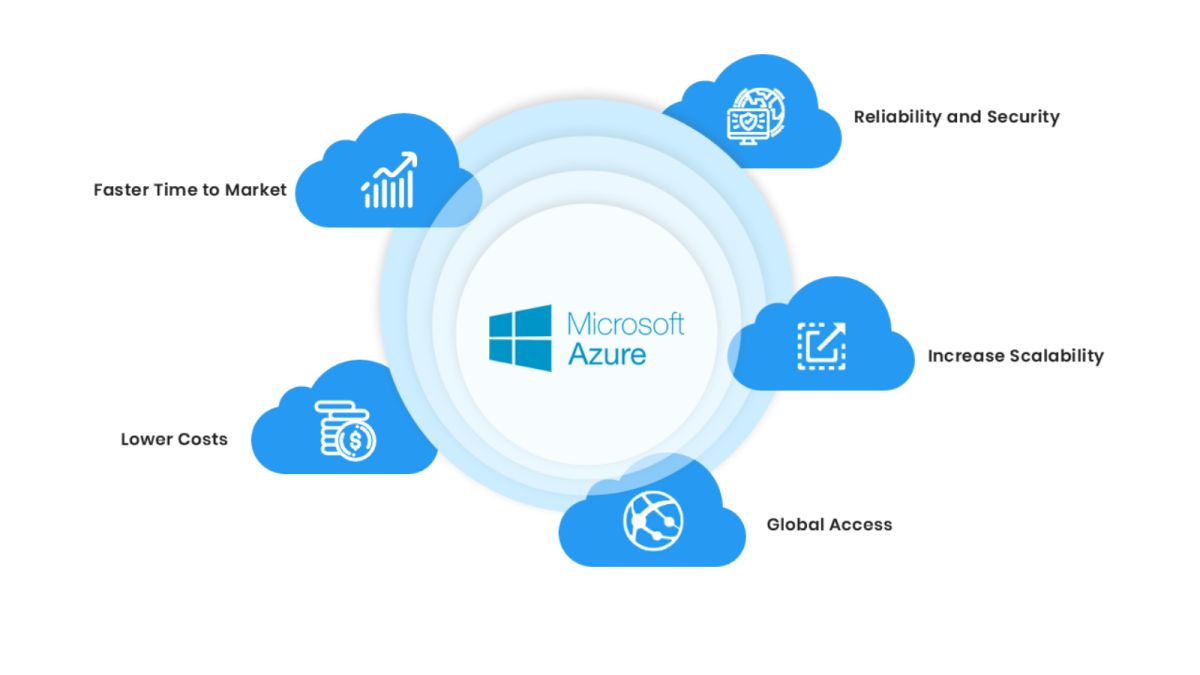
How AAD Differs from On-Premises Active Directory
Traditional Active Directory (AD) was designed for physical networks and domain-joined computers. AAD, on the other hand, is cloud-native. It supports modern authentication protocols like OAuth 2.0, OpenID Connect, and SAML, making it ideal for web and mobile apps.
Azure Active Directory (AAD) – Azure Active Directory (AAD) menjadi aspek penting yang dibahas di sini.
- On-prem AD uses LDAP and Kerberos; AAD uses REST APIs and token-based auth.
- AD requires domain controllers; AAD is globally distributed and highly available.
- AD is location-bound; AAD enables access from any location with internet.
“Azure AD is not a cloud version of Active Directory. It’s a different product for a different world.” — Microsoft Documentation
Core Components of AAD
AAD is made up of several key components that work together to manage identities and access:
- Users and Groups: Centralized identity management for employees, partners, and customers.
- Applications: Register and manage access to cloud and on-prem apps via single sign-on (SSO).
- Devices: Enroll and manage devices for conditional access policies.
- Authentication Methods: Support for passwords, MFA, passwordless (FIDO2, Windows Hello), and biometrics.
These components are accessible through the Azure portal, PowerShell, or Microsoft Graph API, giving administrators full control over identity lifecycle management.
Azure Active Directory (AAD) Authentication Methods
Authentication is the cornerstone of security in AAD. It ensures that only the right people can access the right resources at the right time. AAD supports a wide range of authentication methods, from traditional passwords to cutting-edge passwordless solutions.
Azure Active Directory (AAD) – Azure Active Directory (AAD) menjadi aspek penting yang dibahas di sini.
Password-Based Authentication
While passwords are still widely used, AAD enhances their security with features like password hash synchronization, pass-through authentication, and seamless SSO. These ensure that users can sign in even when on-premises domain controllers are unavailable.
- Password Hash Sync (PHS) securely replicates password hashes from on-prem AD to AAD.
- Pass-Through Authentication (PTA) validates credentials directly against on-prem AD without storing hashes in the cloud.
- Seamless SSO allows domain-joined devices to sign in automatically without re-entering credentials.
Learn more about authentication methods at Microsoft’s official AAD authentication documentation.
Multi-Factor Authentication (MFA)
MFA adds an extra layer of security by requiring users to verify their identity using two or more factors: something they know (password), something they have (phone or token), or something they are (biometrics).
Azure Active Directory (AAD) – Azure Active Directory (AAD) menjadi aspek penting yang dibahas di sini.
- AAD MFA supports phone calls, text messages, authenticator apps, and FIDO2 security keys.
- It can be enforced based on user risk, sign-in risk, or location via Conditional Access policies.
- MFA is now part of Azure AD Premium P1 and P2 licenses.
“With MFA enabled, you can block over 99.9% of account compromise attacks.” — Microsoft Security Blog
Passwordless Authentication
AAD is leading the charge toward a passwordless future. Passwordless sign-in methods eliminate the risks associated with weak or stolen passwords.
- FIDO2 Security Keys: Physical devices like YubiKey that support public-key cryptography.
- Windows Hello for Business: Biometric or PIN-based sign-in on Windows 10/11 devices.
- Microsoft Authenticator App: Push notifications or biometric verification on mobile devices.
Organizations adopting passwordless authentication report fewer helpdesk calls and stronger security postures.
Azure Active Directory (AAD) Single Sign-On (SSO)
Single Sign-On (SSO) is one of AAD’s most powerful features. It allows users to access multiple applications with a single set of credentials, improving productivity and reducing password fatigue.
Azure Active Directory (AAD) – Azure Active Directory (AAD) menjadi aspek penting yang dibahas di sini.
How SSO Works in AAD
When a user attempts to access an app, AAD acts as the identity provider (IdP). It authenticates the user and sends a security token to the application, proving the user’s identity. This process is based on standards like SAML, OAuth 2.0, and OpenID Connect.
- SAML is commonly used for enterprise apps like Salesforce or Workday.
- OAuth 2.0 is used for API access and delegated permissions (e.g., accessing Outlook mail via a third-party app).
- OpenID Connect is built on OAuth 2.0 and provides identity layer for user authentication.
For detailed implementation, visit Microsoft’s guide on managing app access in AAD.
Types of SSO Supported by AAD
AAD supports several SSO models depending on the application and deployment scenario:
Azure Active Directory (AAD) – Azure Active Directory (AAD) menjadi aspek penting yang dibahas di sini.
- Cloud SSO: For SaaS apps integrated with AAD (e.g., Microsoft 365, Dropbox).
- Federated SSO: Uses federation protocols like SAML or WS-Fed with on-prem identity providers (e.g., AD FS).
- Password Vaulting: For apps that don’t support SSO; AAD securely stores and auto-fills credentials.
- Application Proxy: Enables secure remote access to on-prem web apps with SSO.
This flexibility makes AAD ideal for hybrid environments where some apps live in the cloud and others on-premises.
Benefits of SSO in Enterprise Environments
Implementing SSO through AAD offers numerous advantages:
- Improved User Experience: No need to remember multiple passwords.
- Reduced IT Overhead: Fewer password reset requests and helpdesk tickets.
- Stronger Security: Centralized control over app access and easier enforcement of MFA.
- Compliance Readiness: Audit trails for who accessed what and when.
Companies like Contoso and Fabrikam have reported up to 40% reduction in login-related support tickets after deploying AAD SSO.
Azure Active Directory (AAD) – Azure Active Directory (AAD) menjadi aspek penting yang dibahas di sini.
Azure Active Directory (AAD) Conditional Access
Conditional Access is AAD’s intelligent policy engine that allows organizations to enforce access controls based on specific conditions. It’s a critical tool for Zero Trust security models.
Understanding Conditional Access Policies
A Conditional Access policy consists of three parts: users or groups, cloud apps or actions, and conditions (like location, device state, or risk level). When these conditions are met, access is either granted, blocked, or required to meet additional requirements like MFA.
- Policies can require MFA for high-risk sign-ins.
- They can block access from untrusted countries or IP ranges.
- They can enforce device compliance (e.g., only Intune-managed devices can access email).
For example, a policy might say: “If a user from the Finance group tries to access Microsoft 365 from outside the corporate network, require MFA and a compliant device.”
Azure Active Directory (AAD) – Azure Active Directory (AAD) menjadi aspek penting yang dibahas di sini.
Common Use Cases for Conditional Access
Organizations use Conditional Access in various scenarios to enhance security:
- Remote Workforce Security: Require MFA for all external access to corporate apps.
- High-Risk User Protection: Apply strict policies for admins or executives.
- Legacy Authentication Blocking: Prevent use of outdated protocols like IMAP/SMTP that don’t support MFA.
- Device Compliance Enforcement: Only allow access from devices managed by Intune or hybrid Azure AD joined.
According to Microsoft, organizations using Conditional Access see a 67% reduction in identity-based breaches.
Best Practices for Configuring Conditional Access
To avoid locking users out or creating security gaps, follow these best practices:
Azure Active Directory (AAD) – Azure Active Directory (AAD) menjadi aspek penting yang dibahas di sini.
- Start with a report-only mode to test policies before enforcement.
- Use named locations to define trusted IP ranges.
- Enable Identity Protection to detect risky sign-ins and users.
- Regularly review and audit policies for effectiveness.
- Always configure an emergency access account (break-glass account) with no Conditional Access policies applied.
“Conditional Access is not a set-it-and-forget-it feature. It requires ongoing tuning and monitoring.” — Azure Security Expert
Azure Active Directory (AAD) Identity Protection
Azure AD Identity Protection is an advanced threat detection and response service that helps identify, investigate, and remediate potential risks related to user identities.
How Identity Protection Detects Risk
Identity Protection uses machine learning and anomaly detection to analyze sign-in behaviors and flag suspicious activities. It assigns a risk level—low, medium, or high—to both users and sign-ins.
- Sign-in Risk: Detects anomalies like impossible travel, unfamiliar sign-in locations, or use of anonymized IP addresses.
- User Risk: Identifies compromised accounts based on leaked credentials, malware infections, or suspicious activities.
- Risk detections are integrated with Conditional Access to automatically enforce policies.
For instance, if a user signs in from Nigeria at 2 AM and then from Canada 30 minutes later, Identity Protection flags it as impossible travel and can block access or require MFA.
Azure Active Directory (AAD) – Azure Active Directory (AAD) menjadi aspek penting yang dibahas di sini.
Automated Risk Remediation
Identity Protection doesn’t just detect risks—it helps fix them. You can configure automated responses based on risk levels:
- Require password reset for high-risk users.
- Block access until the user completes MFA.
- Send alerts to security teams for investigation.
These actions can be triggered manually or automatically via Conditional Access policies. Automation reduces response time from days to seconds.
Integrating Identity Protection with SIEM Tools
For enterprise security teams, Identity Protection integrates with Security Information and Event Management (SIEM) tools like Microsoft Sentinel, Splunk, or IBM QRadar.
Azure Active Directory (AAD) – Azure Active Directory (AAD) menjadi aspek penting yang dibahas di sini.
- Export risk detections and sign-in logs via Azure Monitor or Log Analytics.
- Create custom dashboards and alerts for real-time monitoring.
- Correlate identity risks with network and endpoint data for holistic threat visibility.
This integration is crucial for meeting compliance requirements like GDPR, HIPAA, or SOC 2.
Azure Active Directory (AAD) B2B and B2C Collaboration
AAD supports two major external collaboration models: B2B (Business-to-Business) and B2C (Business-to-Consumer). Both enable secure access for non-employees but serve different use cases.
Azure AD B2B: Secure Partner Access
AAD B2B allows organizations to invite external users (partners, vendors, contractors) to access internal applications securely.
Azure Active Directory (AAD) – Azure Active Directory (AAD) menjadi aspek penting yang dibahas di sini.
- Guest users are added as “guest” members in your directory.
- They sign in with their own work or personal accounts (e.g., Google, Outlook.com).
- You retain full control over what they can access via groups and Conditional Access.
For example, a law firm can invite a client to view case documents in SharePoint without creating a local account.
Azure AD B2C: Customer Identity Management
AAD B2C is designed for customer-facing applications. It allows businesses to manage millions of consumer identities with customizable sign-up and sign-in experiences.
- Supports social logins (Facebook, Google, Apple).
- Enables branded login pages and multi-step user journeys.
- Can scale to millions of users with low latency.
Retailers, healthcare providers, and financial institutions use AAD B2C to power customer portals, mobile apps, and e-commerce platforms.
Azure Active Directory (AAD) – Azure Active Directory (AAD) menjadi aspek penting yang dibahas di sini.
Choosing Between B2B and B2C
While both are part of AAD, B2B and B2C are separate services with different pricing and capabilities:
- B2B is included in most AAD licenses and ideal for controlled partner access.
- B2C is billed per authentication and built for high-volume consumer apps.
- B2B uses the same directory as employees; B2C requires a dedicated tenant.
Choosing the right model depends on your audience, scale, and security requirements.
Managing Devices with Azure Active Directory (AAD)
Modern workplaces are no longer tied to physical offices. Employees use personal and corporate devices to access company data. AAD provides robust device management capabilities to secure this evolving landscape.
Azure Active Directory (AAD) – Azure Active Directory (AAD) menjadi aspek penting yang dibahas di sini.
Device Registration vs. Joining
AAD supports different levels of device integration:
- Device Registration: Used for personal devices (e.g., iOS, Android) to enable SSO and conditional access.
- Azure AD Join: For corporate-owned devices (Windows 10/11, macOS) that are fully managed in the cloud.
- Hybrid Azure AD Join: Combines on-prem AD with AAD for organizations transitioning to the cloud.
Each method provides different levels of control and integration with other services like Intune.
Conditional Access Based on Device State
One of AAD’s strongest security features is the ability to enforce access policies based on device compliance.
Azure Active Directory (AAD) – Azure Active Directory (AAD) menjadi aspek penting yang dibahas di sini.
- You can require that devices be encrypted, have up-to-date OS, or run approved antivirus software.
- These checks are performed by Microsoft Intune or other MDM solutions.
- If a device is non-compliant, access to email or corporate apps can be blocked or limited.
This ensures that even if a user’s credentials are compromised, the attacker can’t access data from an untrusted device.
Co-Management with Microsoft Intune
For organizations using both on-prem and cloud management, AAD enables co-management with Microsoft Intune and Configuration Manager.
- Windows 10/11 devices can be managed by both tools simultaneously.
- Workloads like policy enforcement, app deployment, and updates can be shifted to the cloud gradually.
- Provides a smooth transition path to full cloud management.
This hybrid approach is ideal for large enterprises with complex IT environments.
Azure Active Directory (AAD) – Azure Active Directory (AAD) menjadi aspek penting yang dibahas di sini.
FAQ
What is the difference between Azure AD and Windows Server Active Directory?
Azure AD is a cloud-based identity service designed for modern applications and remote access, while Windows Server Active Directory is an on-premises directory service for managing domain-joined computers and legacy apps. They serve different purposes but can be integrated via hybrid setups.
Is Azure Active Directory free?
Azure Active Directory (AAD) – Azure Active Directory (AAD) menjadi aspek penting yang dibahas di sini.
Azure AD offers a free tier with basic features like user management and SSO for up to 50,000 objects. Advanced features like MFA, Conditional Access, and Identity Protection require Azure AD Premium P1 or P2 licenses.
Can AAD replace on-prem Active Directory?
For many organizations, yes—especially those adopting cloud-first strategies. However, some legacy applications still require on-prem AD. A hybrid model is often the best approach during transition.
Azure Active Directory (AAD) – Azure Active Directory (AAD) menjadi aspek penting yang dibahas di sini.
How does AAD support hybrid environments?
AAD supports hybrid environments through tools like Azure AD Connect, which synchronizes identities from on-prem AD to the cloud. Features like Pass-Through Authentication, Seamless SSO, and Hybrid Azure AD Join enable a smooth integration between on-prem and cloud resources.
What is the role of Azure AD in Zero Trust security?
Azure Active Directory (AAD) – Azure Active Directory (AAD) menjadi aspek penting yang dibahas di sini.
AAD is a cornerstone of Zero Trust by enforcing strict identity verification, least-privilege access, and continuous risk assessment. Features like Conditional Access, MFA, and Identity Protection ensure that no user or device is trusted by default, even inside the network.
In conclusion, Azure Active Directory (AAD) is far more than just a cloud directory—it’s a comprehensive identity and access management platform that powers secure, productive, and scalable digital workplaces. From seamless single sign-on and robust MFA to intelligent Conditional Access and external collaboration, AAD provides the tools organizations need to thrive in a cloud-first world. Whether you’re securing internal employees, enabling partner collaboration, or managing millions of customers, AAD offers flexible, enterprise-grade solutions. As cyber threats grow and workforces become more distributed, investing in a strong identity foundation with AAD isn’t just smart—it’s essential.
Azure Active Directory (AAD) – Azure Active Directory (AAD) menjadi aspek penting yang dibahas di sini.
Recommended for you 👇
Further Reading:
